
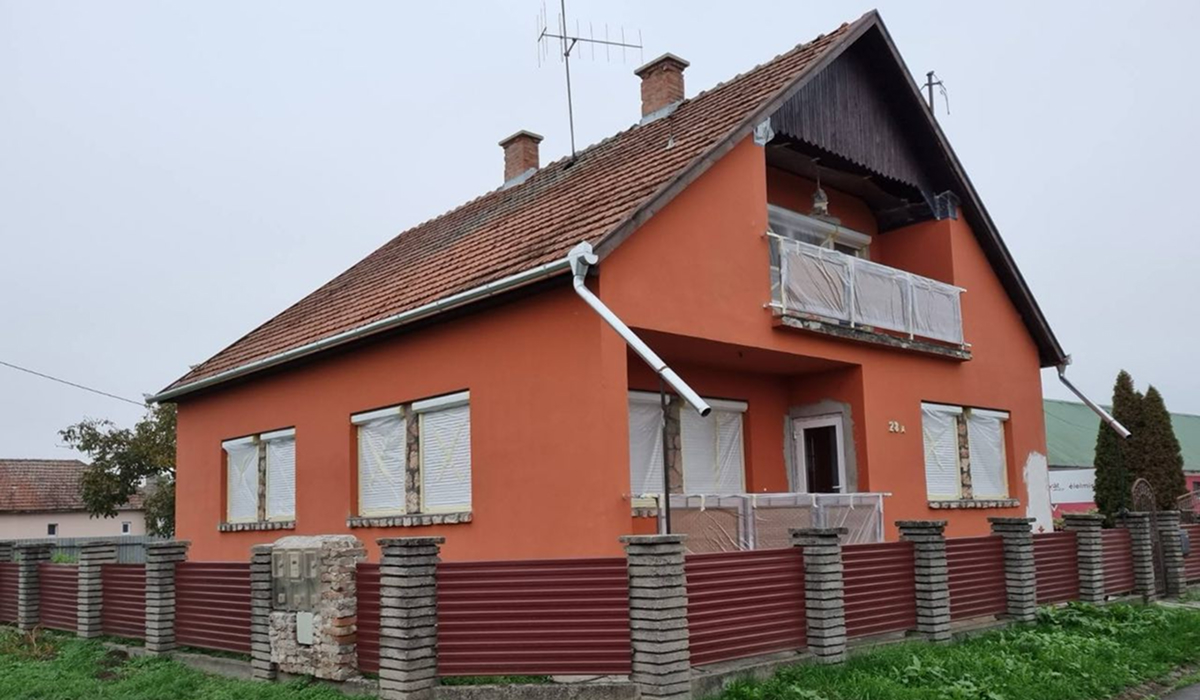
Balaton Lake, Hungary
A residential house with a floor area of 152 m², built in 1987, was modernized using TSM Ceramic liquid thermal insulation. As a result, its energy efficiency rating improved by two levels — from class D to class B, which means a significant reduction in heat loss and heating costs.
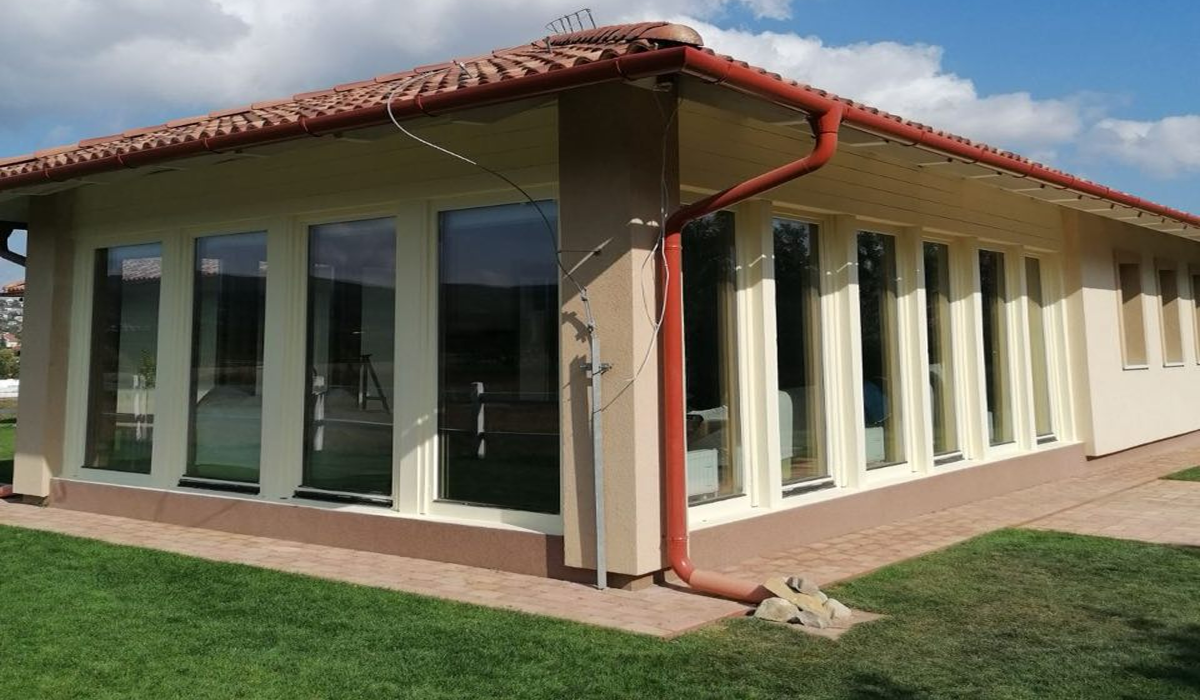
Kaposvár, Hungary
A single-storey private house with a floor area of 165 m² is undergoing a full façade modernization using TSM Ceramic liquid thermal insulation. This property from the 2000s was originally in energy efficiency class C; however, the owner decided to enhance the building’s protection against heat loss and external environmental impacts without increasing the structural load.
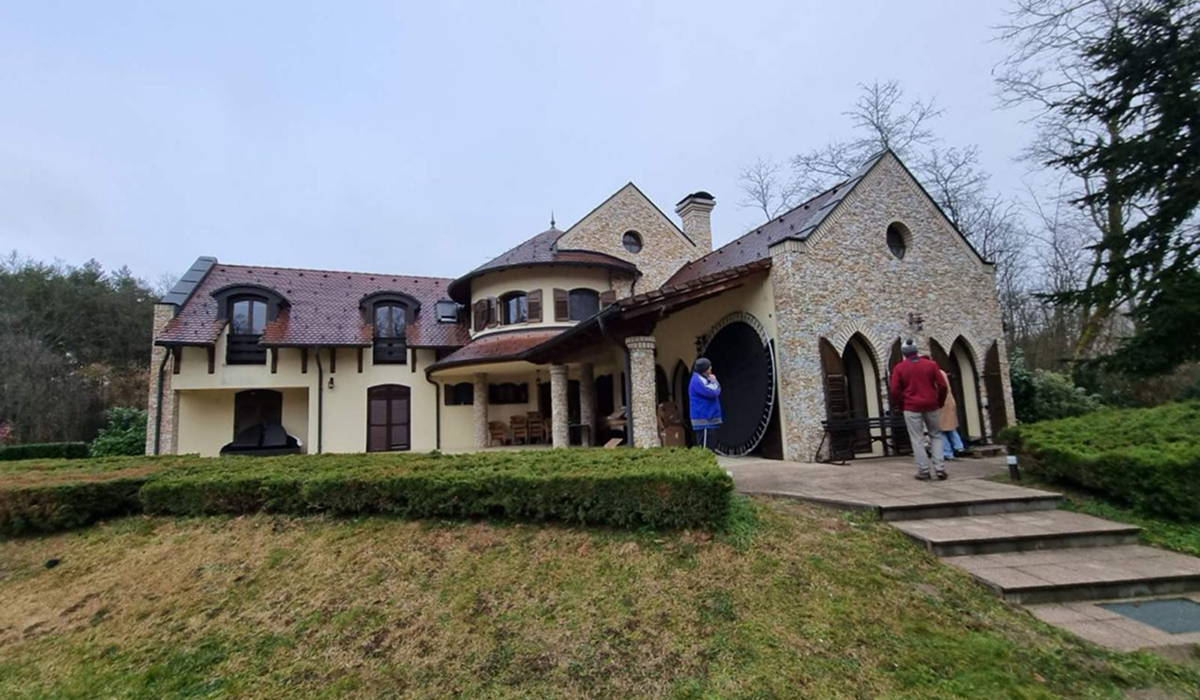
Salzburg, Austria
A neo-Gothic residential house with a floor area of about 210 m², built in the early 1950s, underwent a comprehensive façade upgrade using TSM Ceramic liquid thermal insulation. Initially, the property was in energy efficiency class E, and after modernization it rose to class C, which significantly reduced heat loss and improved the indoor climate.
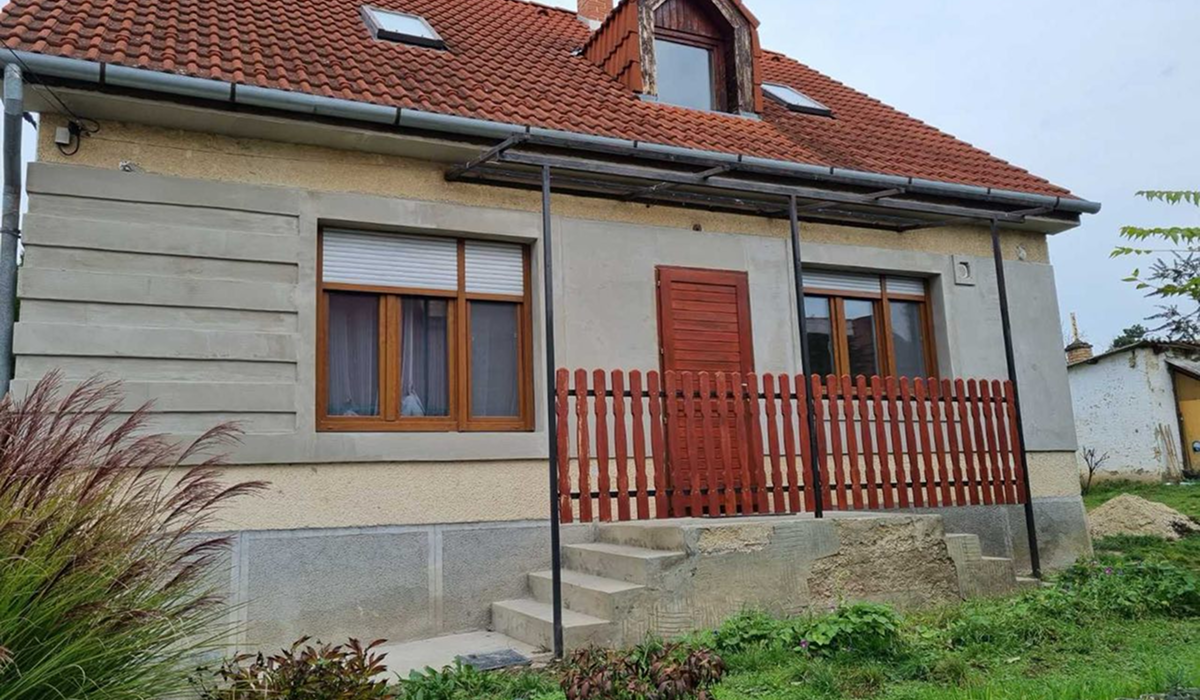
Eisenstadt, Austria
A residential house with a floor area of about 135 m², built in the 1970s, is undergoing a full thermal insulation modernization using TSM Ceramic liquid thermal insulation. Initially, the property had an energy efficiency rating of class D; however, the photo shows the stage of applying the first layer of the coating, which already allowed the rating to be raised to class B.
Kőszeg, Hungary
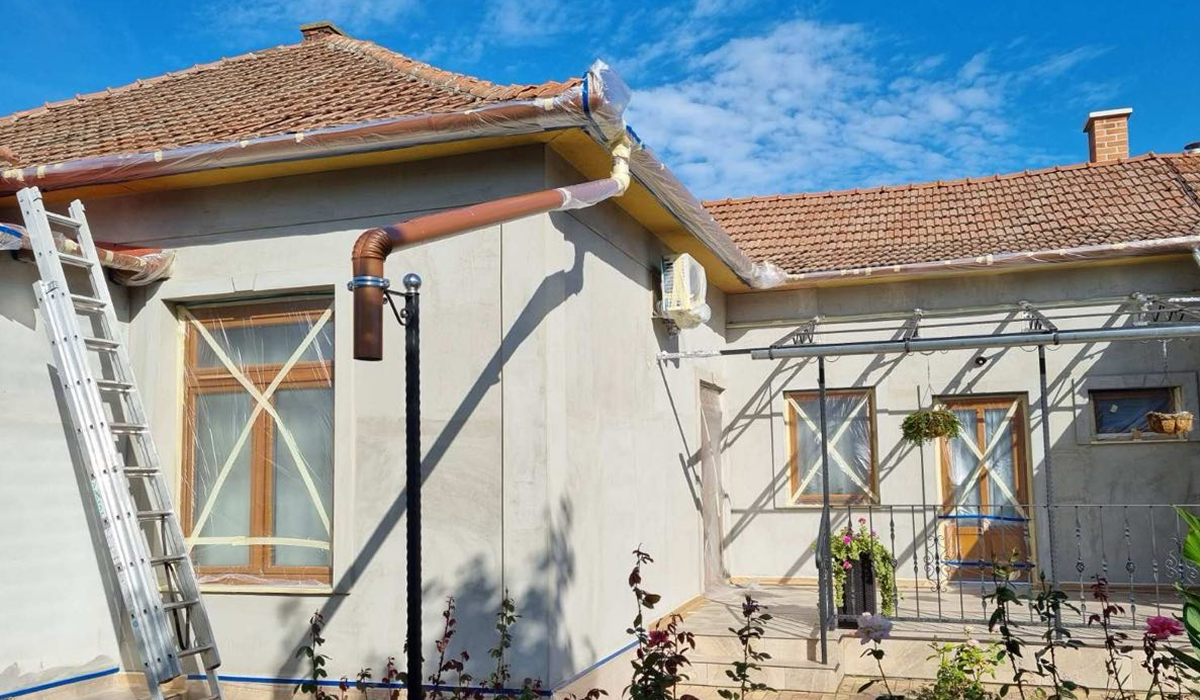
A single-storey residential house with a floor area of about 142 m², built in the 1960s, is undergoing comprehensive façade modernization using TSM Ceramic liquid thermal insulation. Initially, the property was in energy efficiency class D; after completion of the works, the rating will rise to class B thanks to reduced heat loss and improved thermal stability of the walls.
Székesfehérvár, Hungary
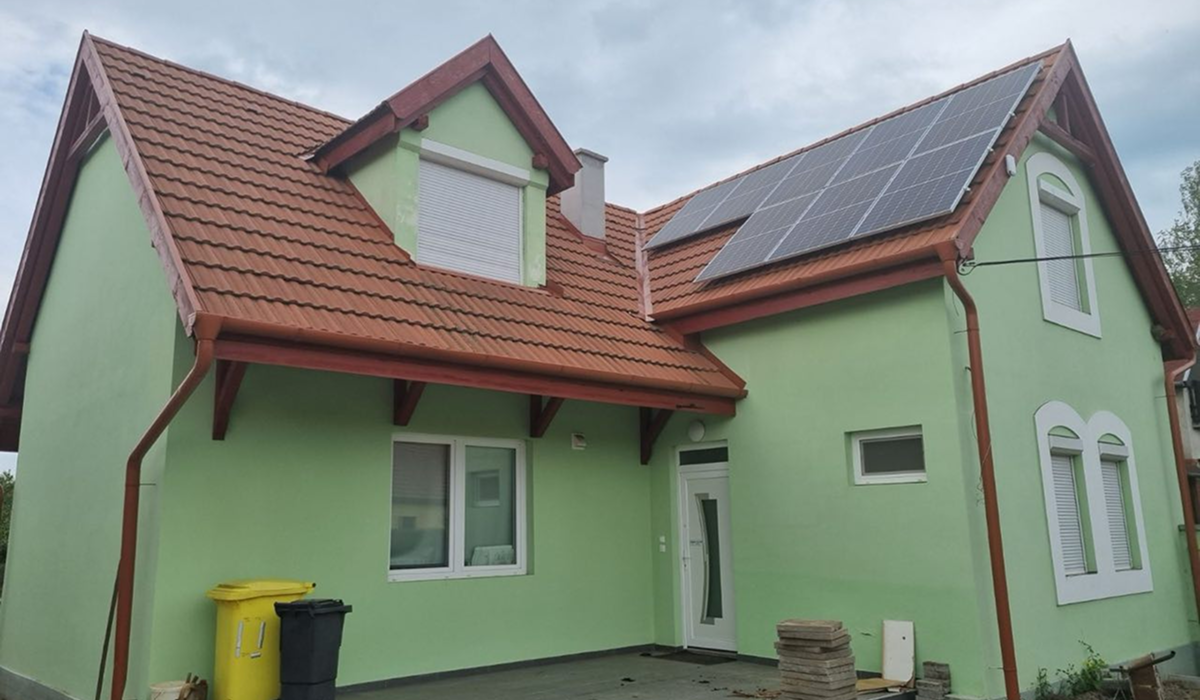
A residential house with a floor area of about 128 m², built in the late 1990s, was completely updated using TSM Ceramic liquid thermal insulation. Before modernization, the property was in energy efficiency class C, but the thin, highly effective coating allowed it to be improved to class B without increasing structural weight and without installing traditional insulation.
Klagenfurt, Austria
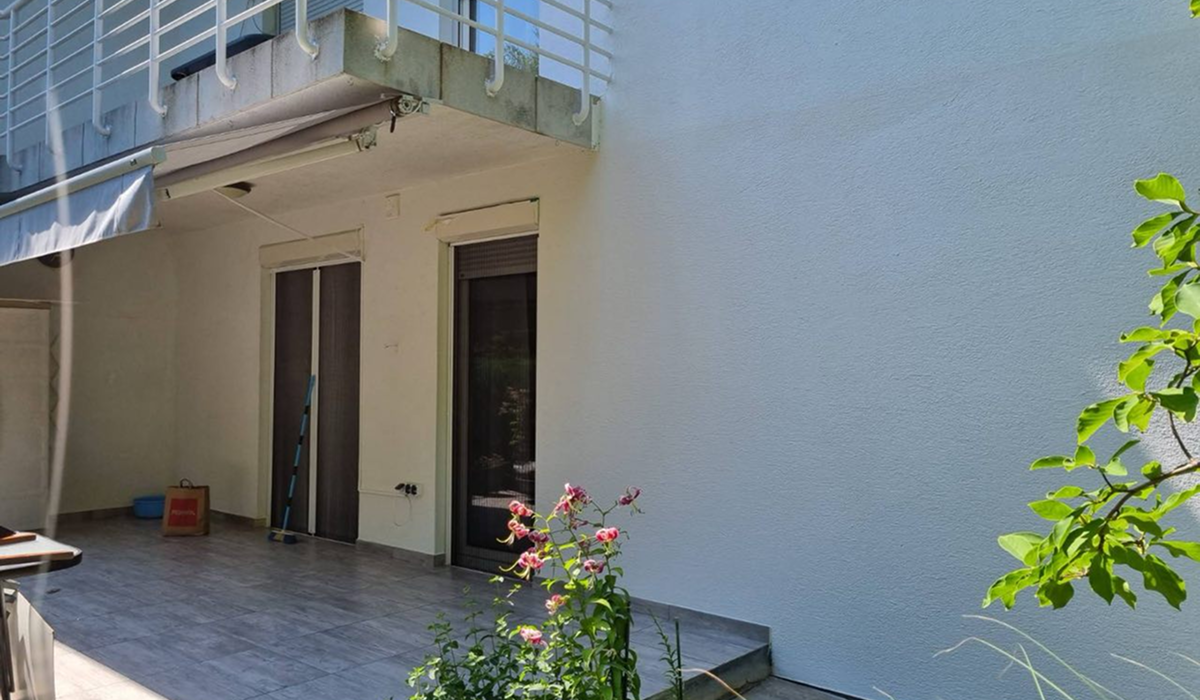
A modern residential house with a floor area of about 160 m² underwent a comprehensive façade upgrade using TSM Ceramic liquid thermal insulation. The property, built in the 2000s and initially categorized as energy efficiency class C, was improved to class B thanks to the application of a thin thermal insulation layer, which provides a marked reduction in heat loss and stabilization of the indoor microclimate.
Baden, Austria
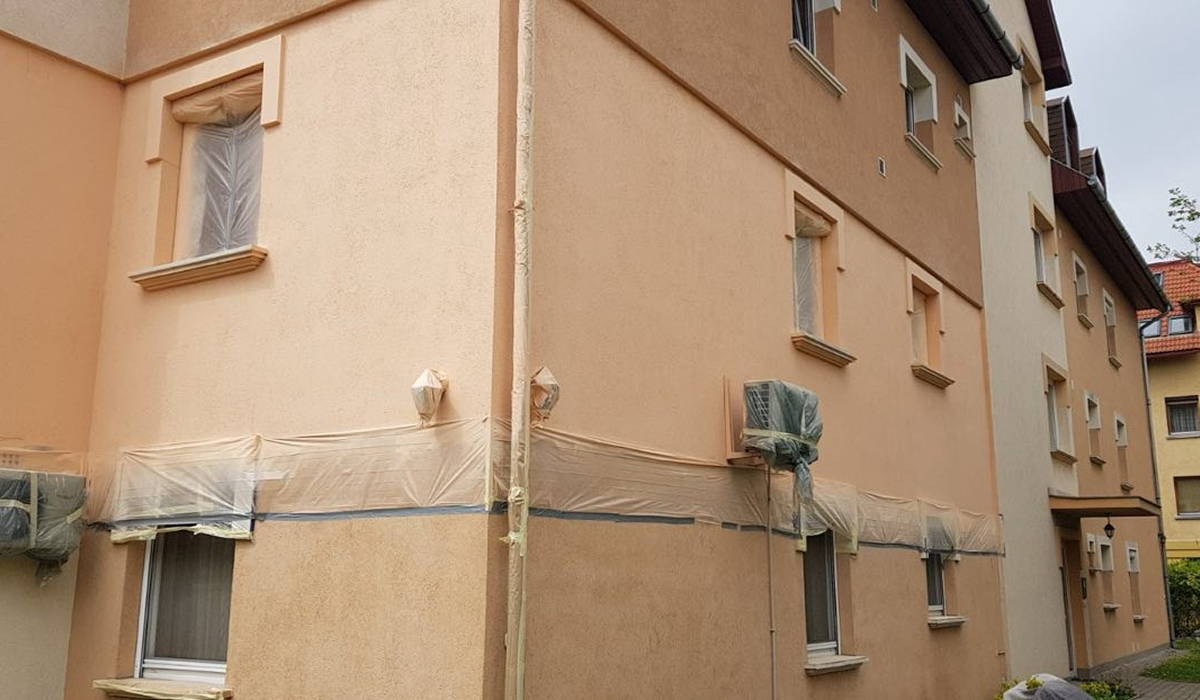
A residential house with a floor area of about 140 m², built in the 1950s–1960s, is undergoing full façade modernization using TSM Ceramic liquid thermal insulation. The property was originally in energy efficiency class D, and one of the owners’ objectives was to improve the thermal stability of the building without installing a massive insulation system.
Debrecen, Hungary
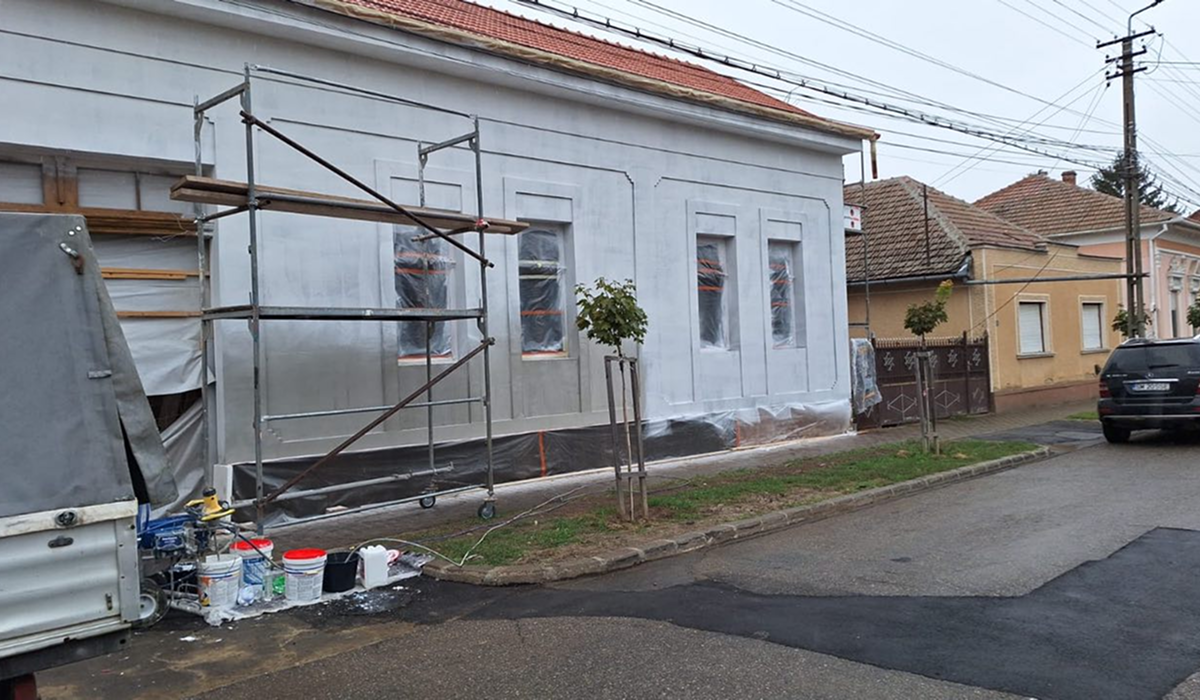
A single-storey residential house with a floor area of about 110 m², built at the beginning of the 20th century, is undergoing full restoration and thermal insulation modernization using TSM Ceramic. Before the works, the property had an energy efficiency rating of class E, typical for old houses with thick but poorly insulated walls.
Sopron, Hungary
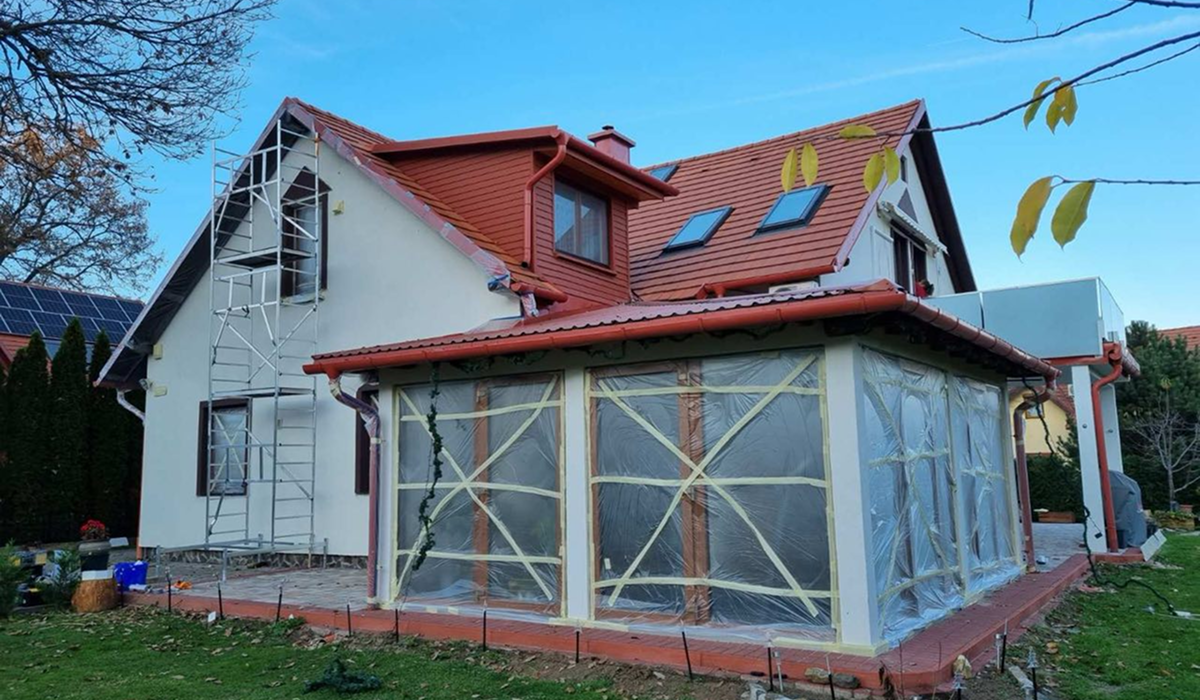
A private residential house with a floor area of about 175 m², built in the 1990s, is undergoing comprehensive façade modernization using TSM Ceramic liquid thermal insulation. Initially, the property had an energy efficiency rating of class C, but the owner set the task of increasing thermal efficiency and protecting the façade without installing massive insulation.
Linz, Austria
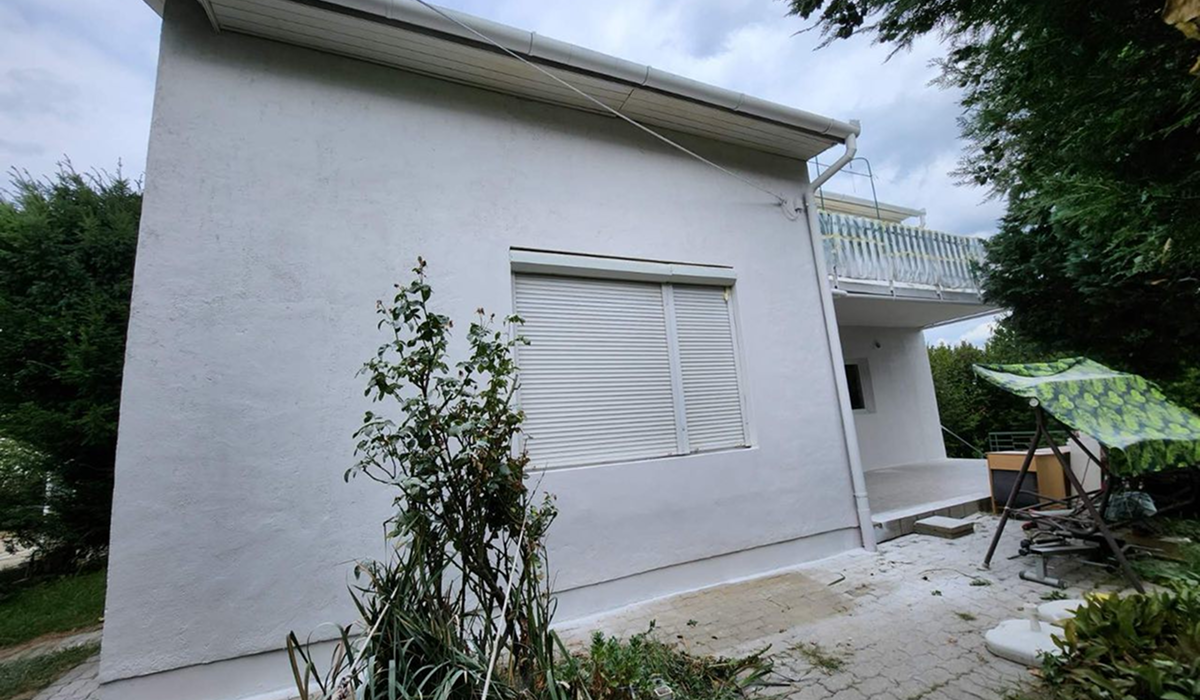
A modern two-storey house with a floor area of about 180 m² underwent full façade modernization using TSM Ceramic liquid thermal insulation. The building, constructed in the 2000s and initially rated in energy efficiency class C, was upgraded as the owners sought to improve thermal performance and protect the façade from seasonal loads.
Keszthely, Hungary
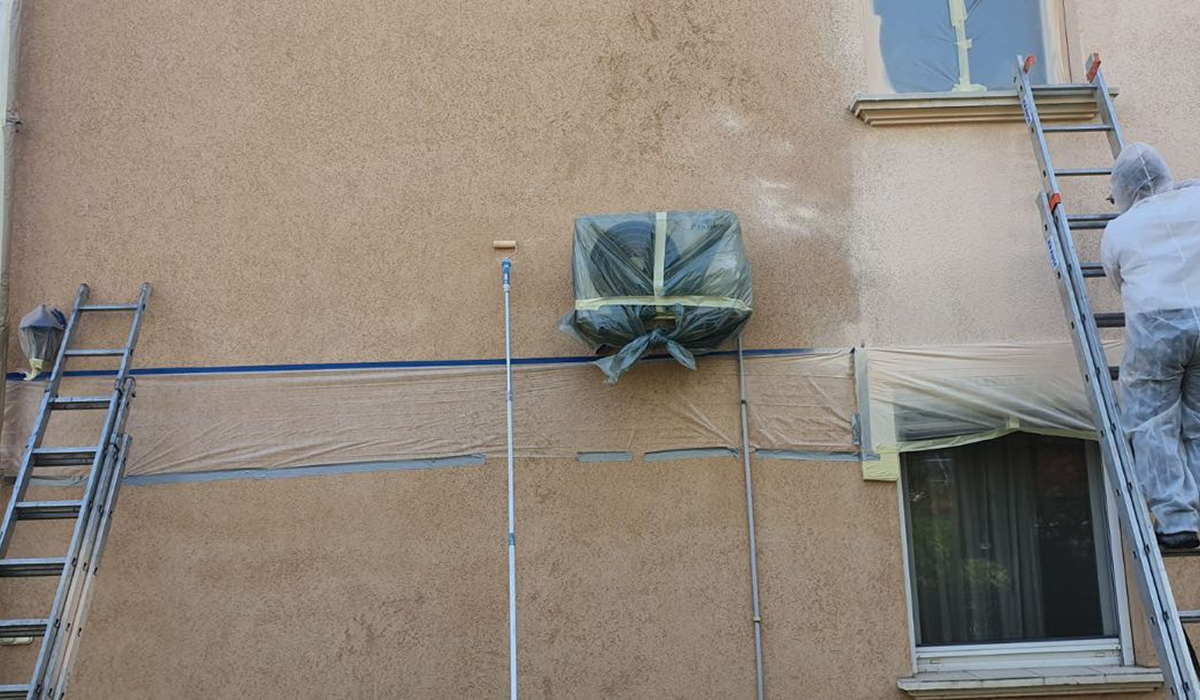
A residential house with a floor area of about 150 m², built in the 1980s, is undergoing partial façade modernization and protective treatment using TSM Ceramic liquid thermal insulation. The property belongs to energy efficiency class C, and the owners’ task is to improve the thermal stability of the side walls, which are particularly exposed to heating and cooling.
Villach, Austria
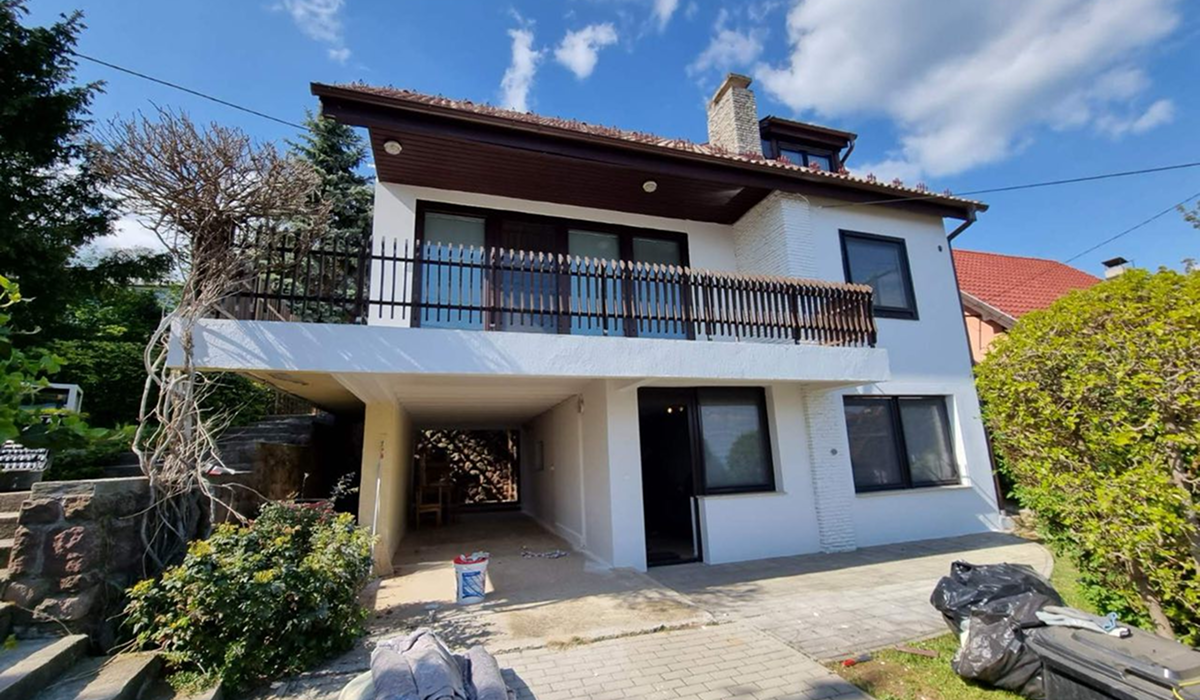
A two-storey family house with a floor area of about 185 m², built in the 1990s, is undergoing comprehensive façade modernization using TSM Ceramic liquid thermal insulation. Initially, the property was rated in energy efficiency class C; the owners set the task of reducing heat loss and refreshing the appearance of the building without installing traditional insulation.
Szeged, Hungary
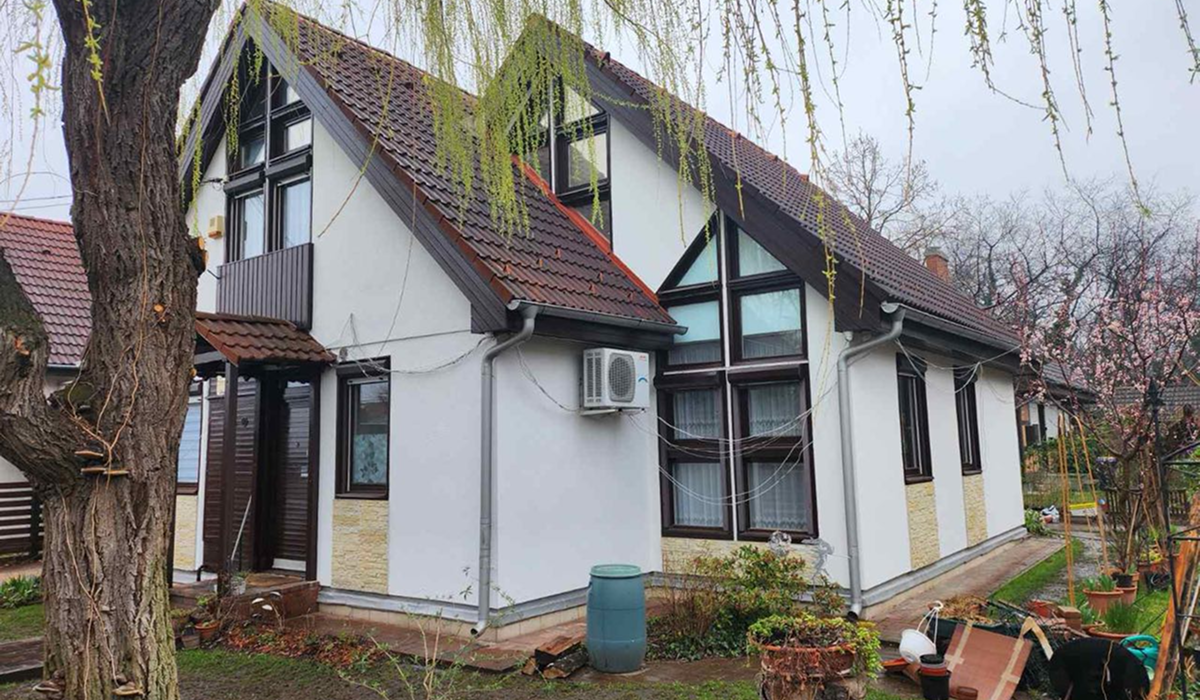
A modern private house with a floor area of about 170 m², built in the 2000s, underwent full façade modernization using TSM Ceramic liquid thermal insulation. The property combines large glazing, wooden structural elements, and plastered surfaces, which requires a material with high adhesion and stability under temperature fluctuations.
Bad Ischl, Austria
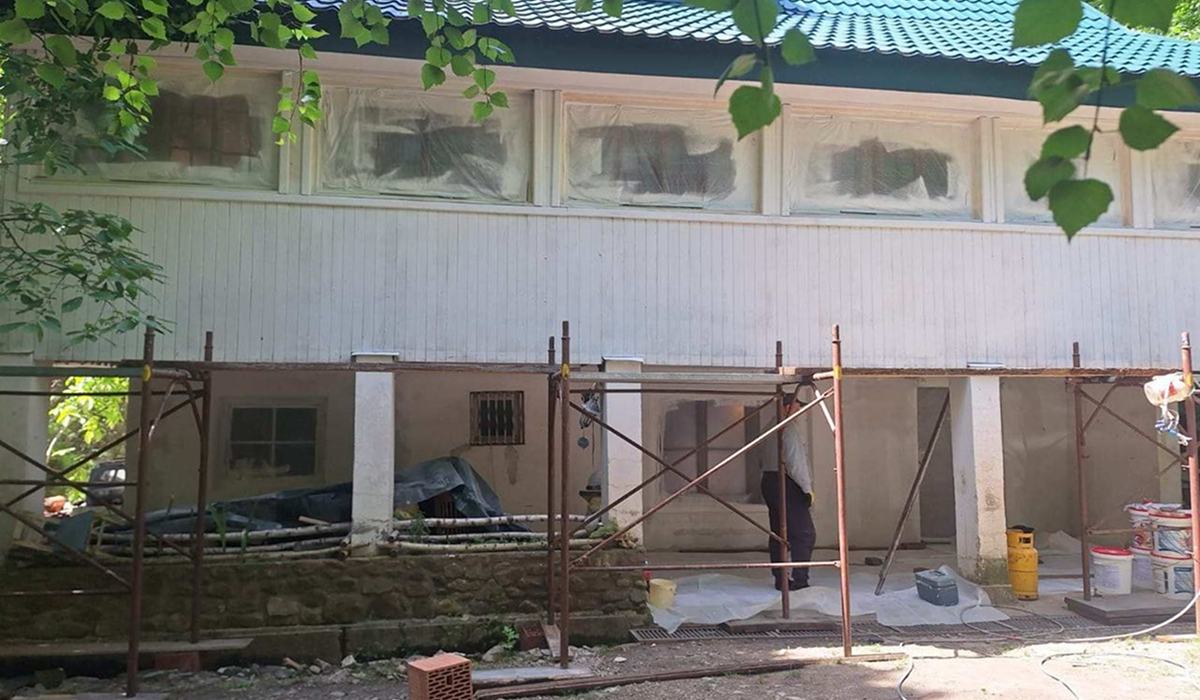
A residential house with a floor area of about 200 m², built in the 1960s–1970s, is undergoing comprehensive thermal façade modernization using TSM Ceramic. The property has an elongated shape and a large glazed area on the upper level, which makes it particularly vulnerable to heat loss and seasonal temperature fluctuations.
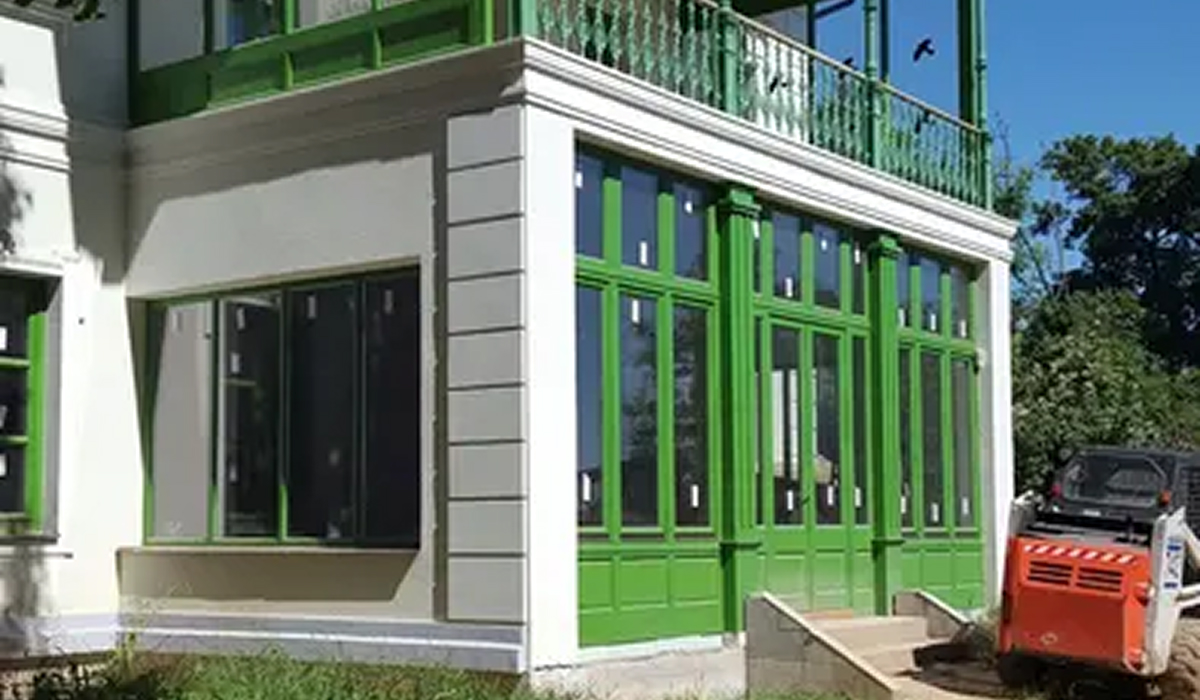
Bükfürdő, Hungary
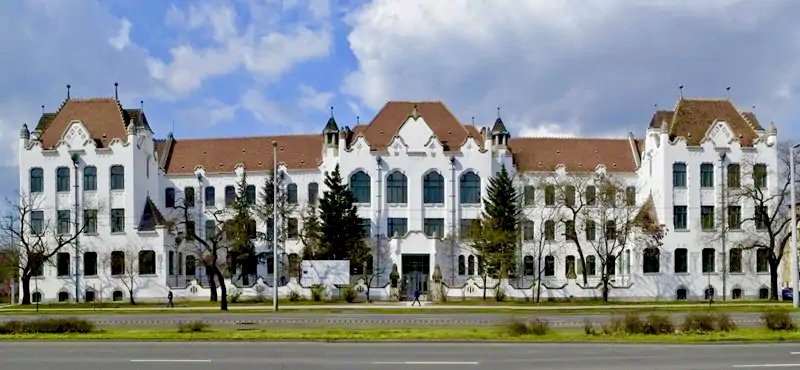
A historic house with a floor area of about 180 m², built in the early 20th century, is undergoing comprehensive façade restoration using TSM Ceramic liquid thermal insulation. The property features a unique architecture with a large glazed area, wooden decorative elements, and an open terrace, which makes it sensitive to seasonal temperature fluctuations and moisture exposure.